GEOCHEMISTRY
What sets the isotope signature of a river?
A shift in dissolved nickel isotopes downstream could reflect a change in the rocks being weathered, retention of nickel in newly formed oxides, or transport by colloids small enough to pass through a filter. I compare isotope ratios across size fractions and tributaries to test which processes account for the metal that ultimately reaches the ocean.
I can measure the same dissolved metal concentration at two sites even when different processes put it there. By separating particles and colloids and measuring their isotope ratios alongside the water, I can test whether a change reflects the source rock, weathering, or the transfer of a metal between those fractions.
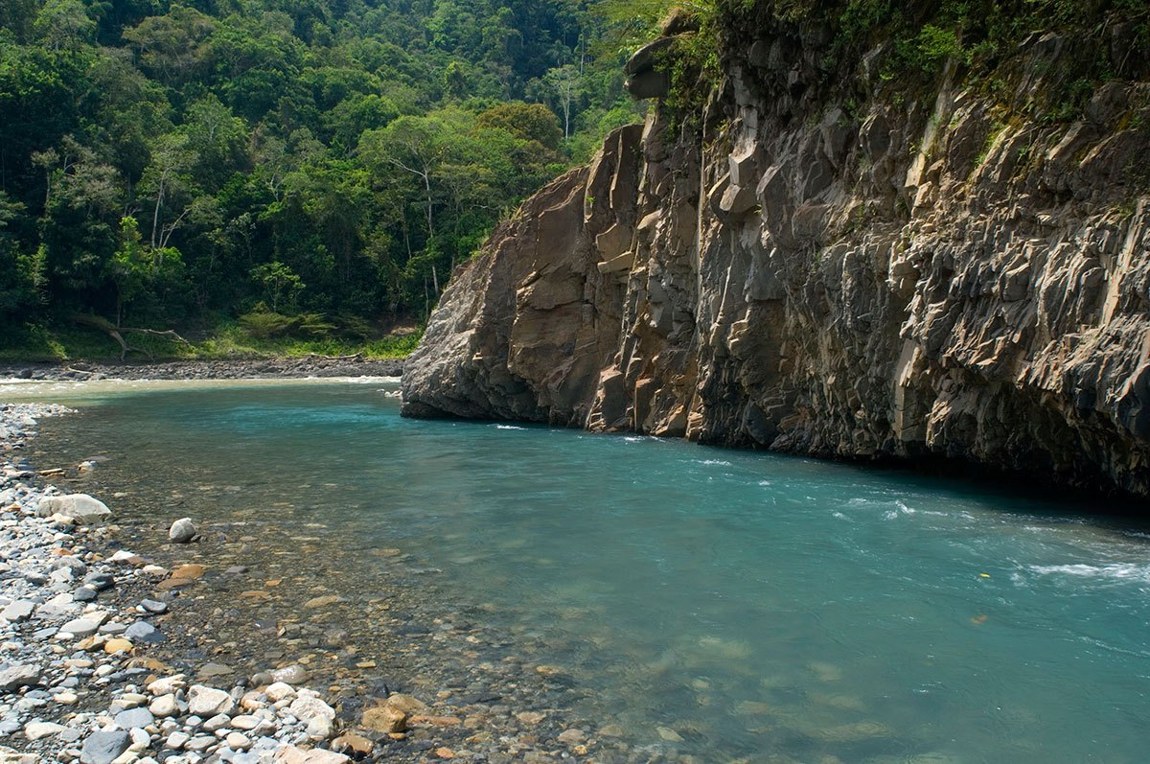
My doctoral work at ETH Zürich investigated trace metals in Arctic and Amazonian river systems. My published studies of nickel and molybdenum in the Amazon Basin examine how weathering and partitioning between dissolved and particulate material affect delivery to the ocean.
Earlier work focused on particulate iron in the North Atlantic and on the chemical extraction methods used to measure its isotopic composition. Developing and evaluating analytical methods remains an important part of how I approach environmental questions.
Building the measurements
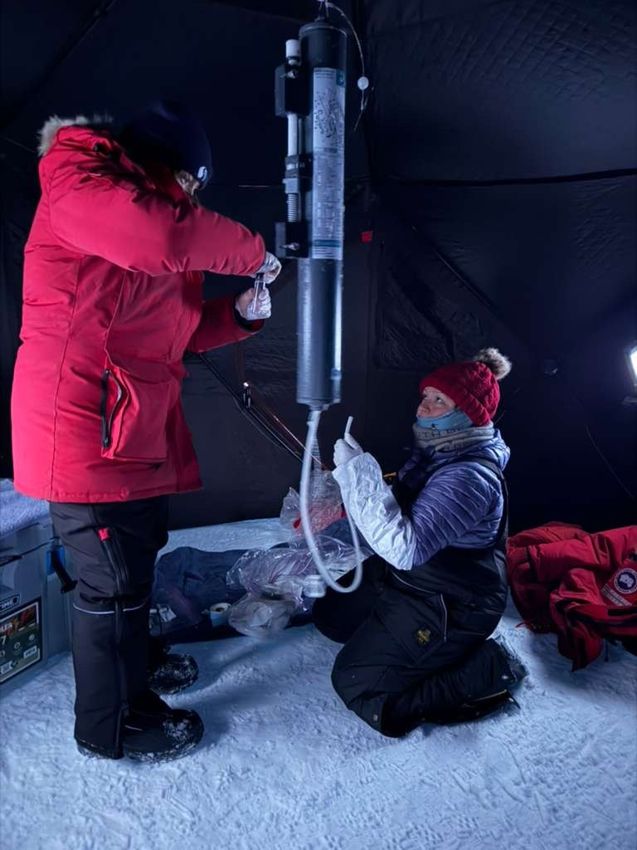
I developed filtration and enrichment procedures to separate particulate, colloidal, dissolved, and ultrafiltered fractions, along with chemical extraction and chromatographic separation methods for isotope analysis. My analytical experience includes single- and multicollector ICP-MS, double-spike methods, and standard-sample bracketing.
Method development is itself a scientific question. In my marine iron work, I investigated whether chemical leaching introduces isotope fractionation, comparing measured behavior with kinetic and equilibrium models. Establishing what a procedure measures is essential before using the result to interpret an environmental process.