I’m interested in what the chemical signals preserved in water, particles, and minerals can tell us about habitability, both in the oceans we can sample today and in environments we may only ever know through the record they leave behind.
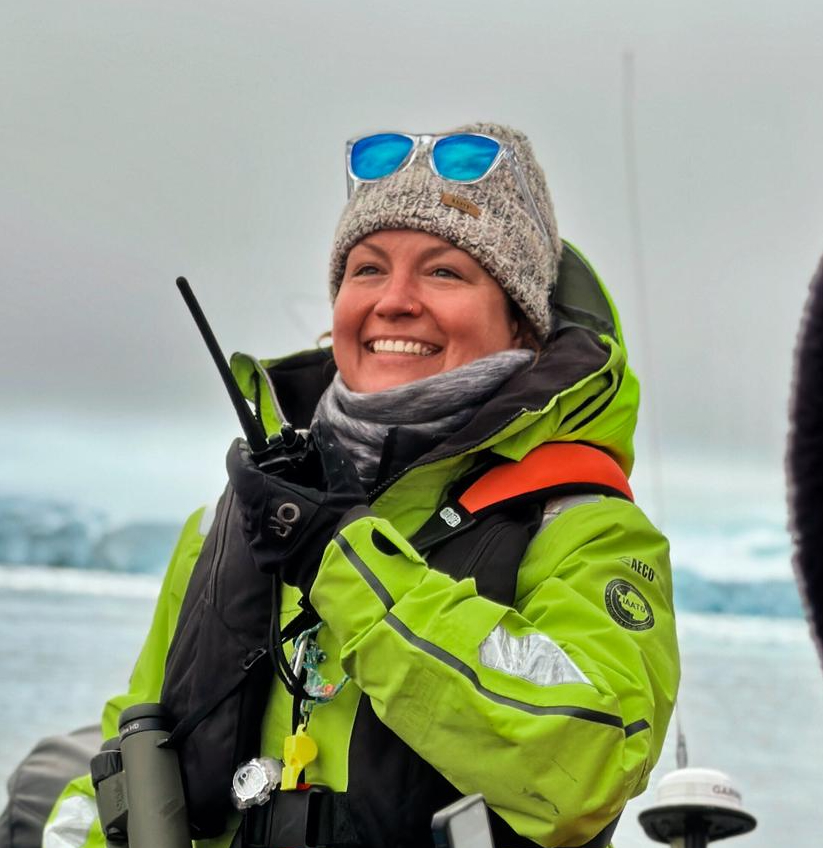
I’m Program Manager at OceanX and Chief Scientist of OceanXplorer. I’m also a research scientist at Cornell University. In Greenland’s Wolstenholme Fjord, our science and engineering teams worked together to bring Icefin close to three glacier fronts. From the sea ice above, we followed changes in salinity and turbidity as the vehicle approached the ice, looking for the waters we wanted to sample.
In Tobago, I led dive teams surveying reefs and founded a marine science summer school. We could teach reef ecology in the classroom, then take students into the water to look for those same organisms along their own coast.
At the University of South Carolina, I studied iron carried by particles across the North Atlantic. Even the choice of reagent could change the isotope ratio we recovered. I carried that lesson into my doctorate at ETH Zürich, where my work on the Amazon and Kalix rivers meant paying as much attention to what stayed on a filter as to what passed through it. I defended in 2018, and ETH awarded my doctorate in 2019.
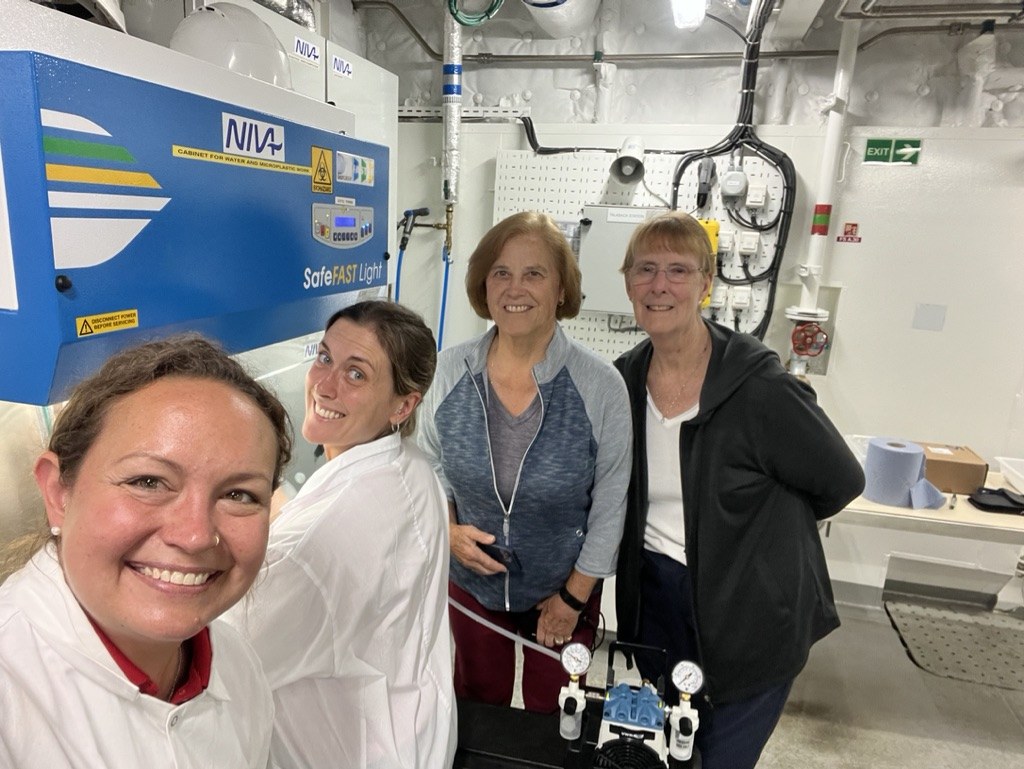
I helped bring the laboratories aboard Viking Octantis and Viking Polaris into operation, then served as Chief Scientist aboard Polaris. I built Expedition Central so guests could connect the water outside the window to measurements our instruments were making aboard the ship.
With Iceatope, I’m asking how time spent beneath a glacier changes the metals in meltwater and what happens to those metals once they enter a fjord. I’m interested in a related question at Longqi: as hot vent fluid mixes with cold seawater, which metals remain accessible to the microbes living along that gradient?