Dr. Brandi Revels

Field projects

Polar geochemistry

Iceatope

Which metals leave the ice, and in what form?

Water moving beneath ice reacts with rock and sediment before it reaches the sea. In Iceatope, I ask how that history shapes the metals a glacier delivers, and which fractions stay in suspension, bind to organic matter, or become available to microbes. Comparing elements with different responses to oxidation and mixing gives us a way to test competing explanations for the same plume.

Polar metal cycling ↗

Chemical oceanography

GEOTRACES North Atlantic

What do particles carry across an ocean basin?

I measured iron isotopes in particles from the U.S. GEOTRACES North Atlantic transect, including samples from the TAG hydrothermal plume. Before interpreting those signatures, we tested what different chemical leaches removed from a particle and whether the extraction itself changed the isotope ratio.

Read the North Atlantic study ↗

Swedish Arctic

Kalix River

How do Arctic rivers transport metals to the sea?

On the Kalix River in northern Sweden, I collected water and suspended sediment under trace-metal-clean conditions. A filtered sample gives us one part of the river’s load. Analyzing the material retained on the filter lets us ask which metals travel with particles and how that changes our estimate of what the river delivers.

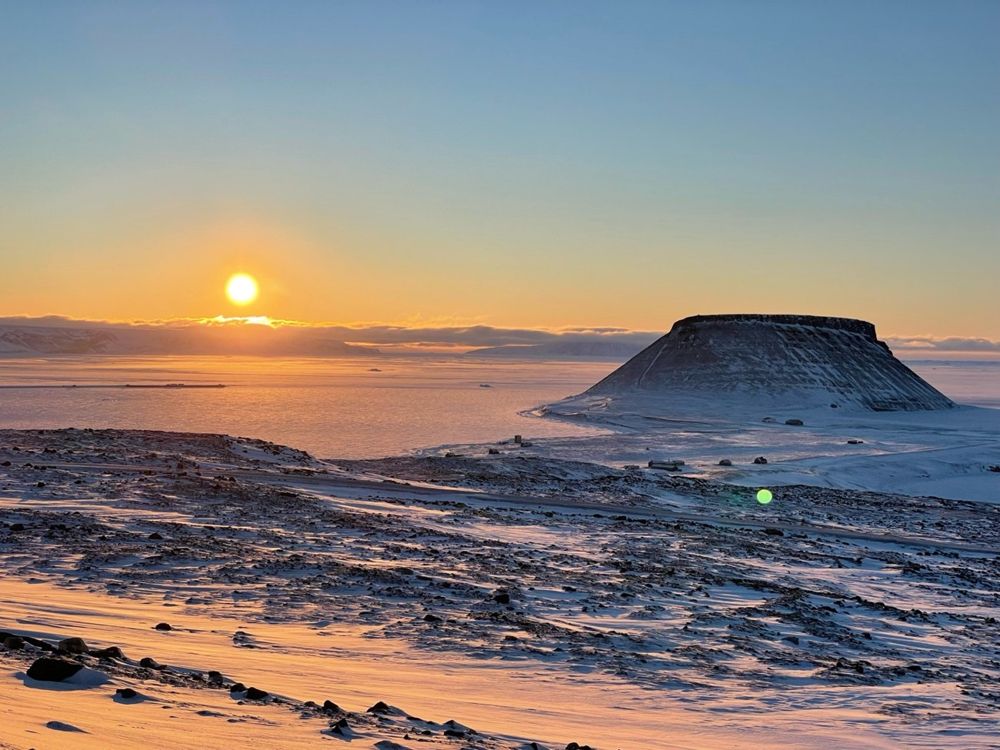
Wolstenholme Fjord · 2026

Greenland

Sampling at the glacier front

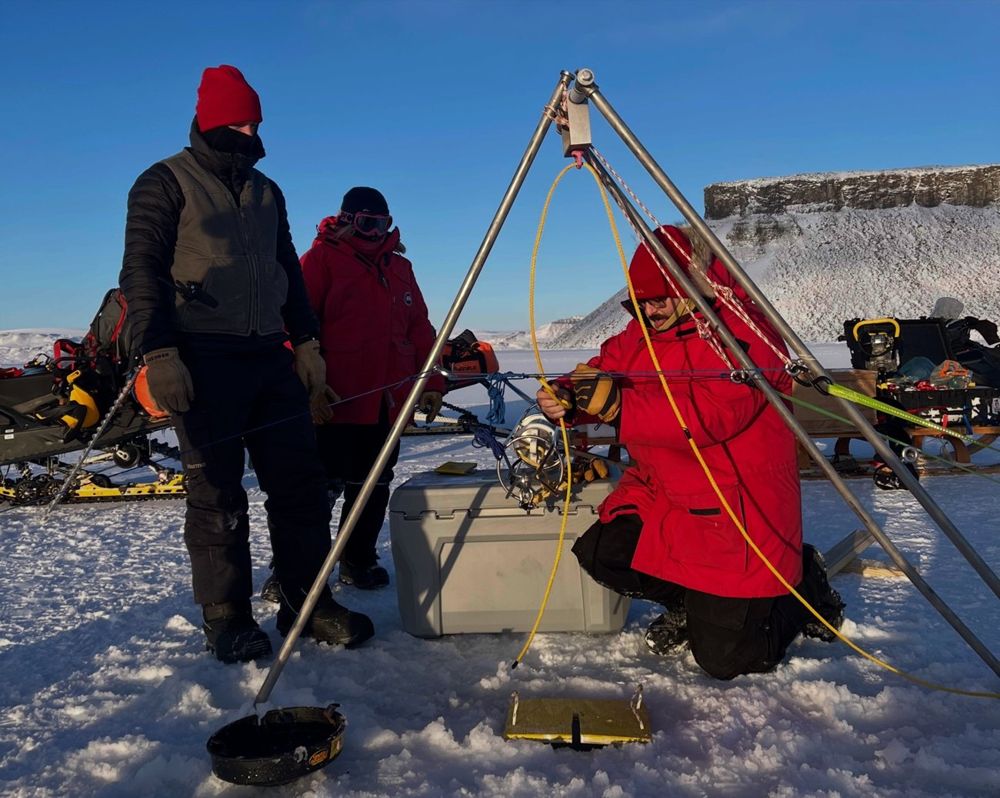
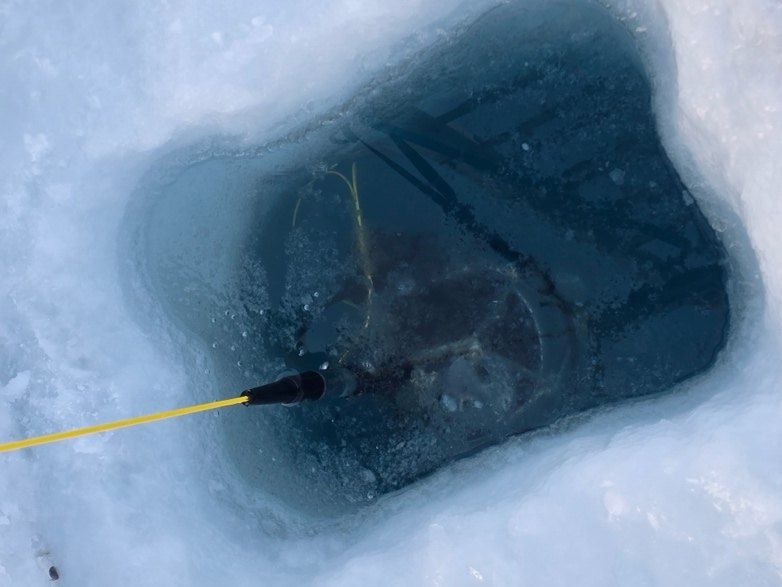
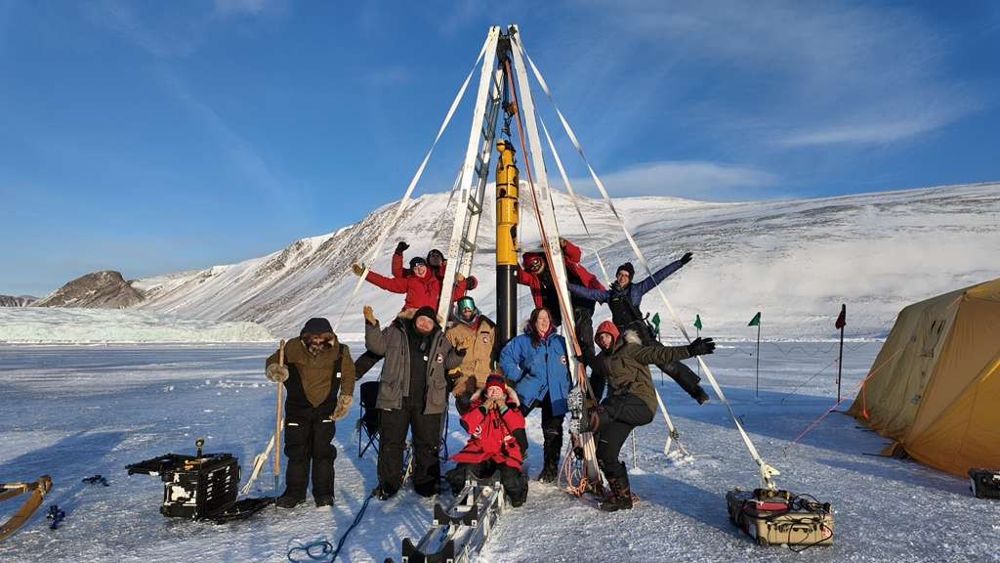
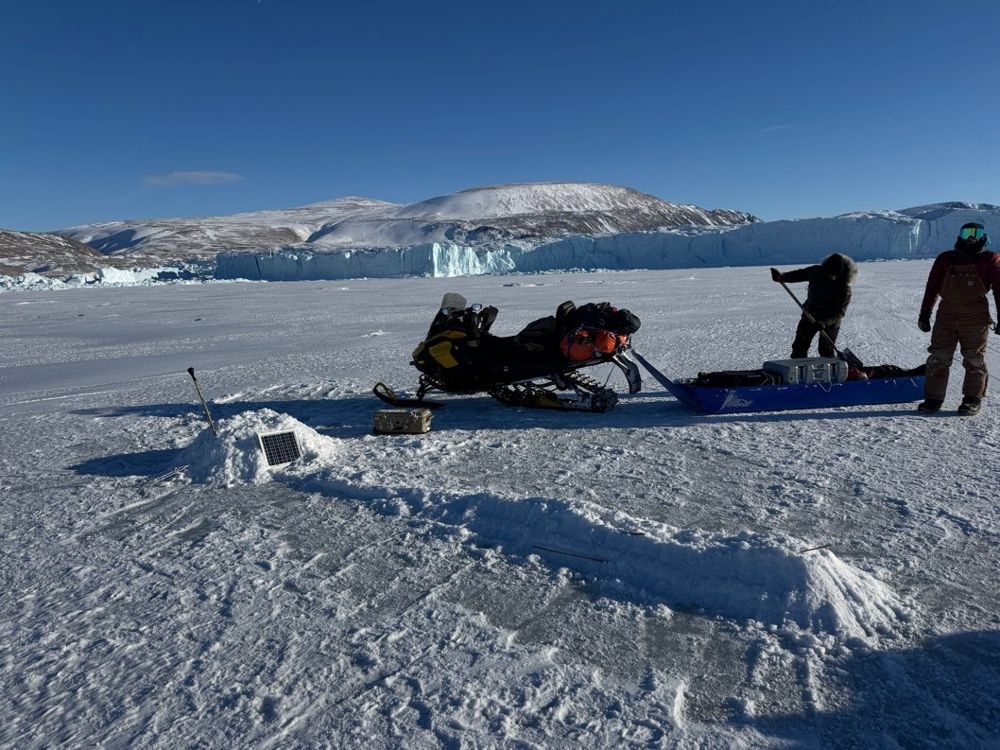
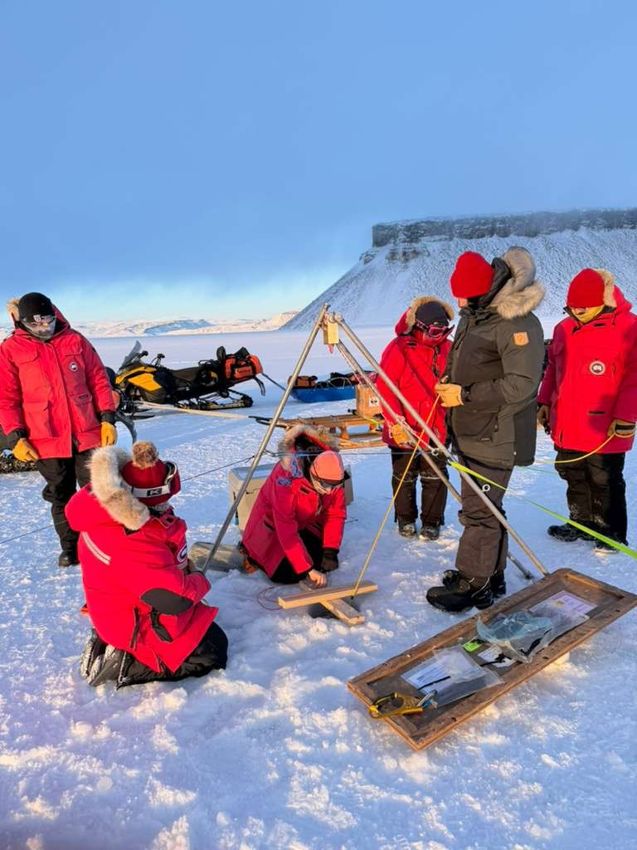
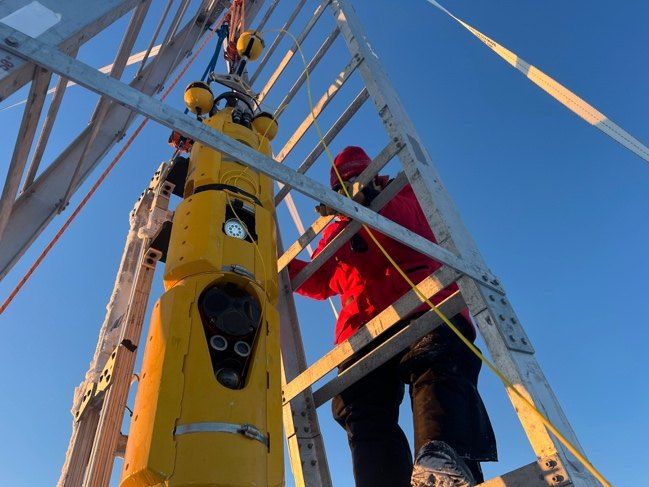
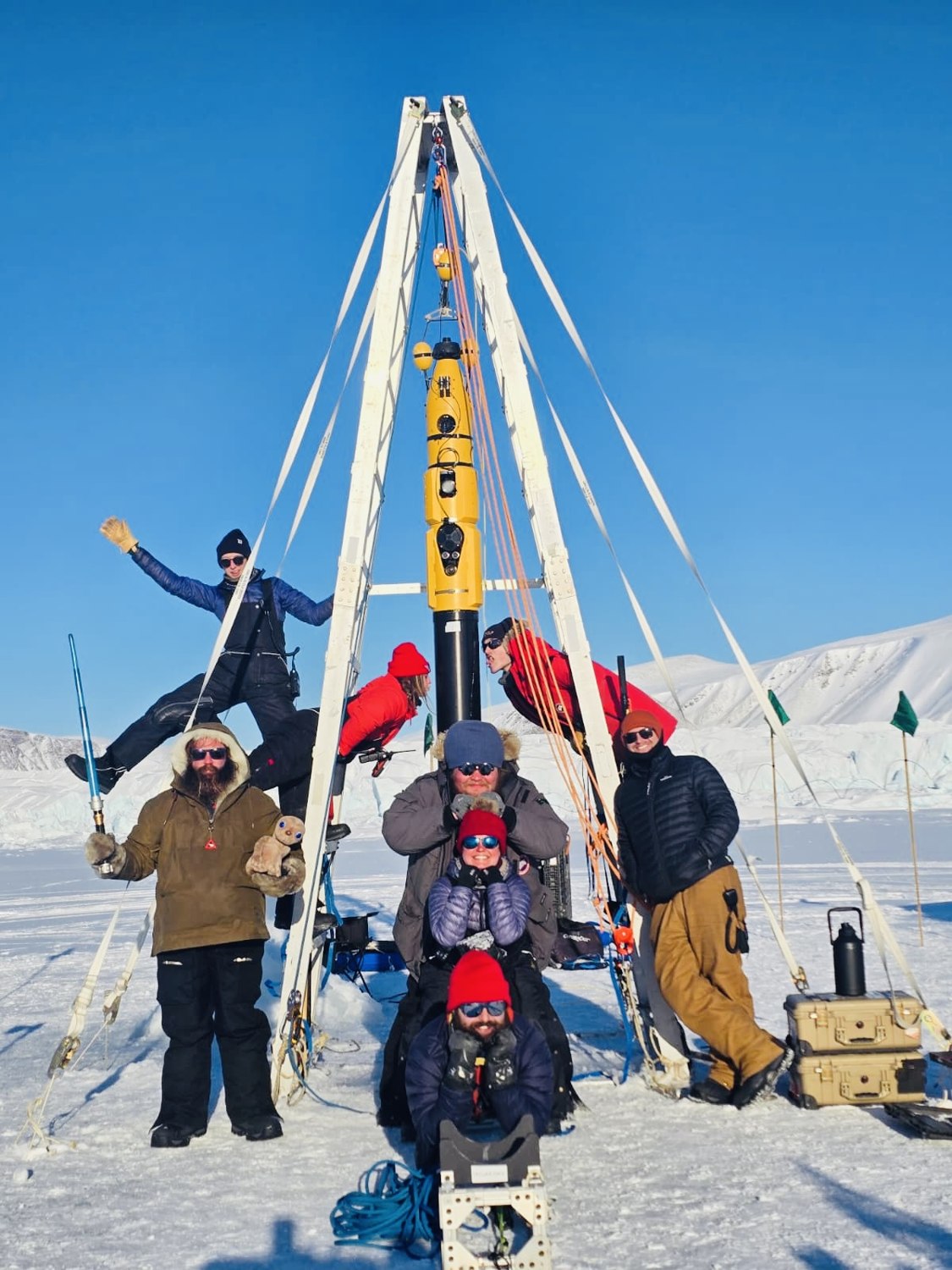
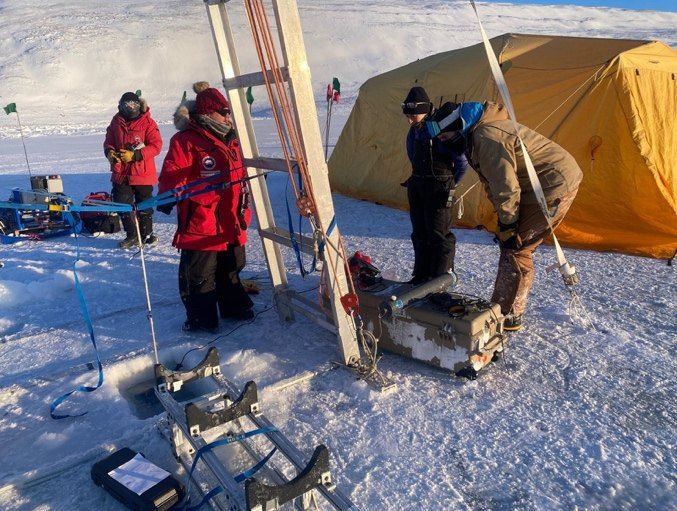
At Moltke, Chamberlain, and Rasmussen glaciers, our Cornell team used Icefin to reach water beneath the sea ice. Temperature, salinity, and turbidity helped us decide where to take discrete water samples. Those observations give us a way to distinguish metals delivered by freshwater from metals already in the seawater it draws upward.

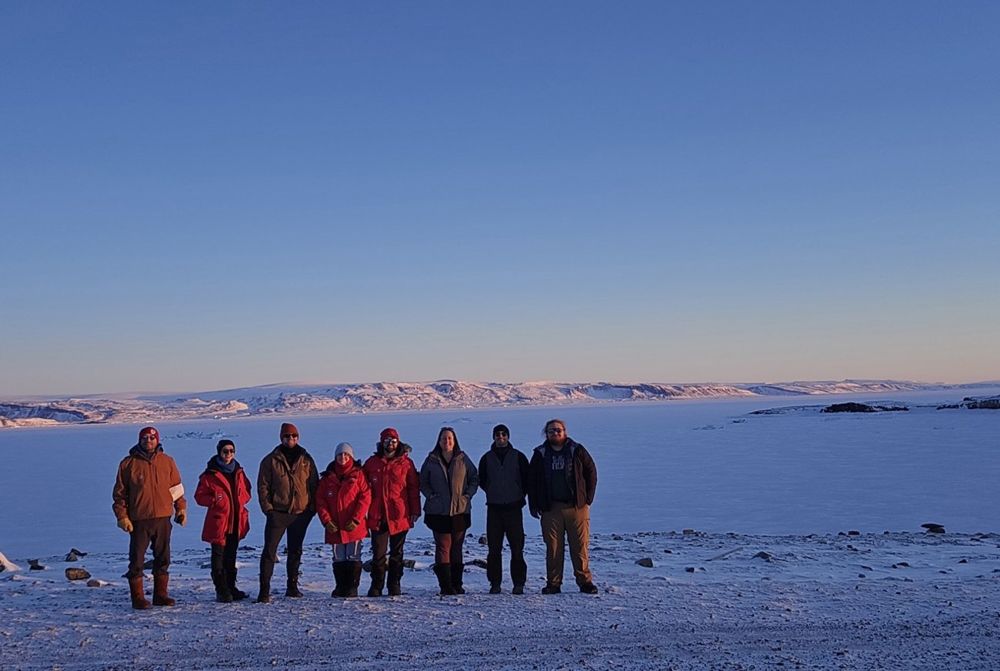
The field team with Icefin in northwest Greenland.
Setting up the sampling shelter
Working over the ice hole
A view through the sea ice
Icefin and the field team
Gear on the sea ice
Gear on the sea ice
The team at the sampling site
Preparing Icefin for deployment
Low sun over the fjord
The team on the ice
The team on the ice
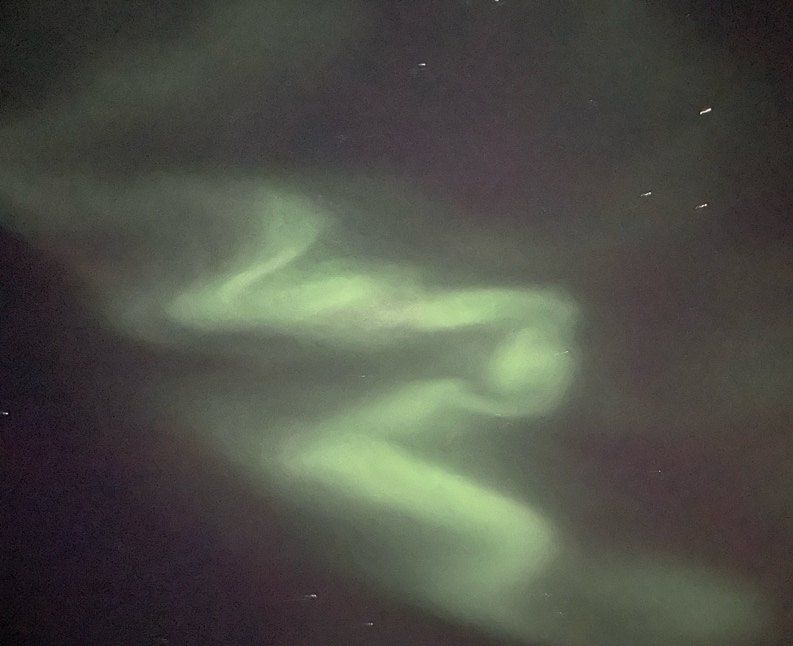
Aurora over the field site
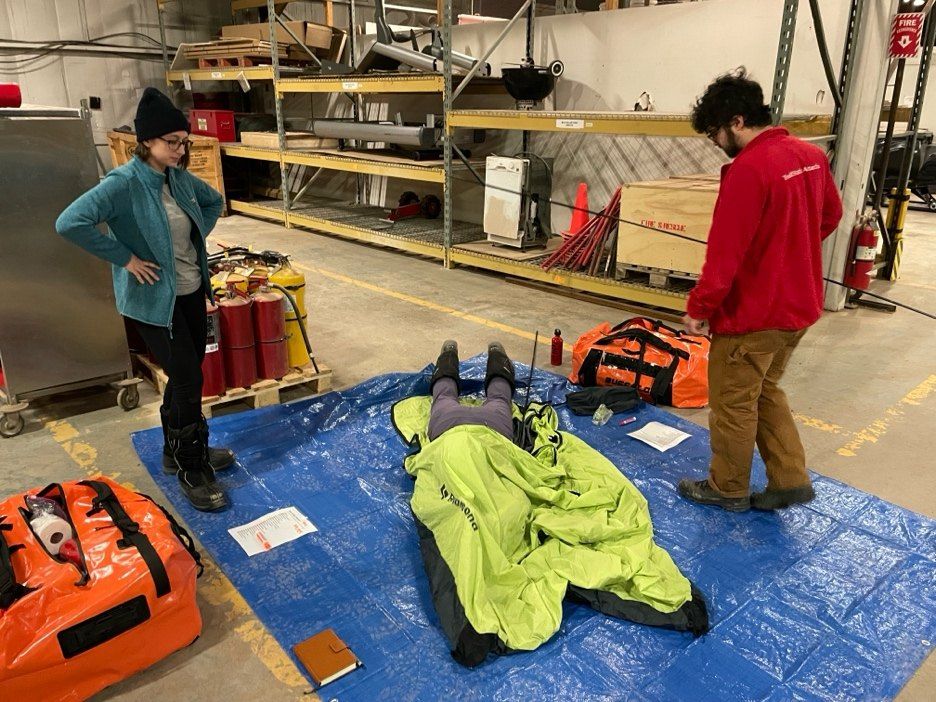
Preparing equipment indoors

Brazil

Amazon Basin

How does weathering shape the metal load of the Amazon?

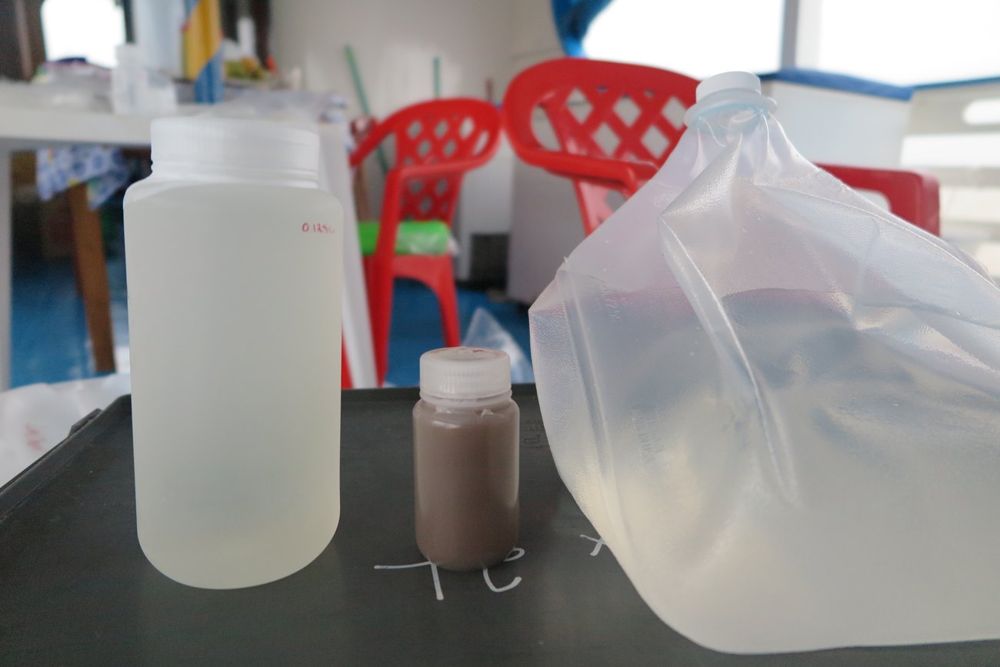
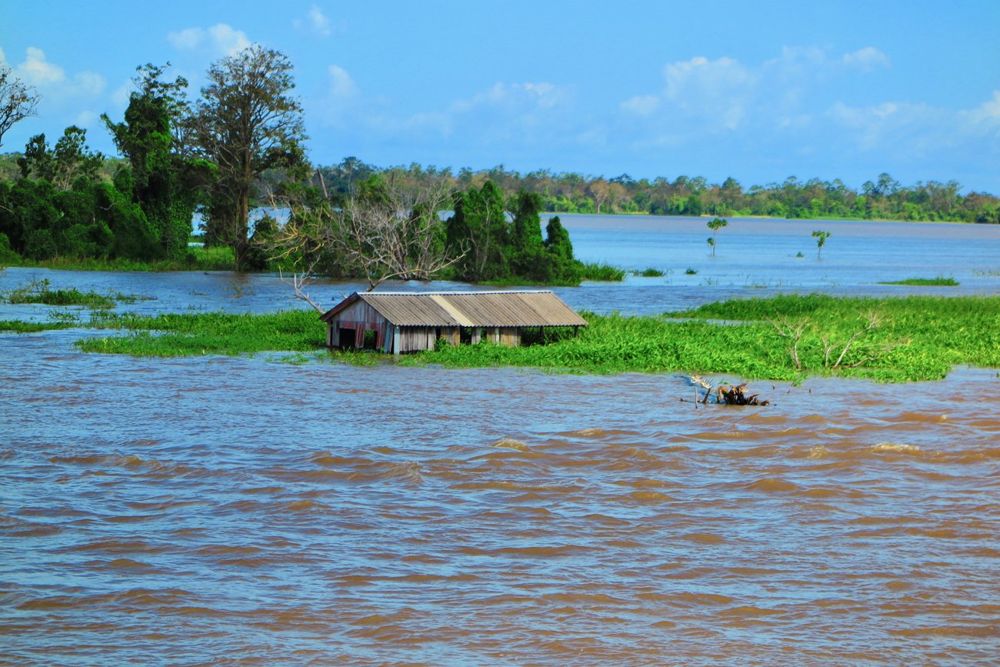
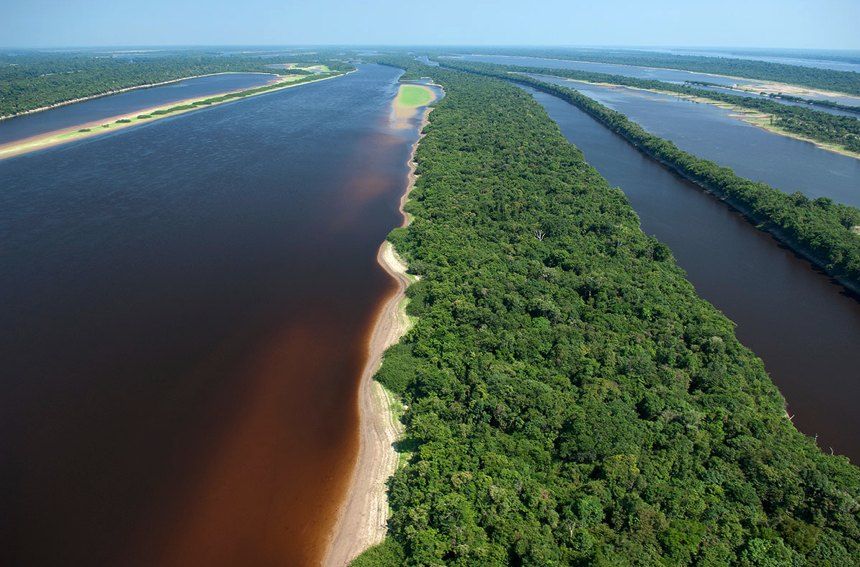
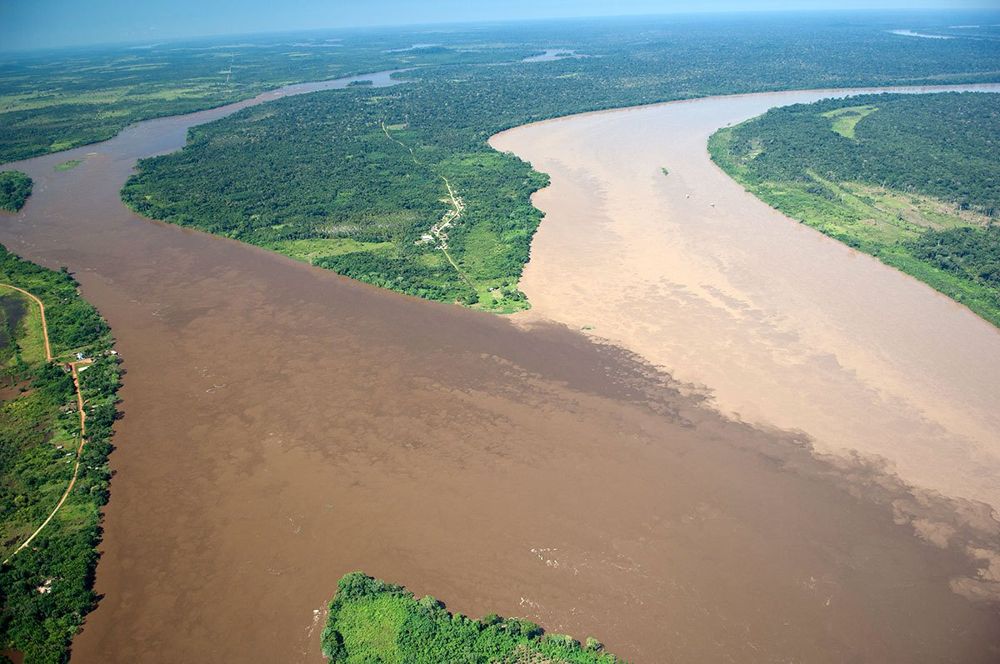
In the Amazon Basin, I separated colloids from river water and sampled the sediment carried in suspension. We compared those fractions across tributaries to investigate how weathering and the formation of new minerals influence the nickel and molybdenum ultimately delivered to the Atlantic.

Nickel and molybdenum publications ↗
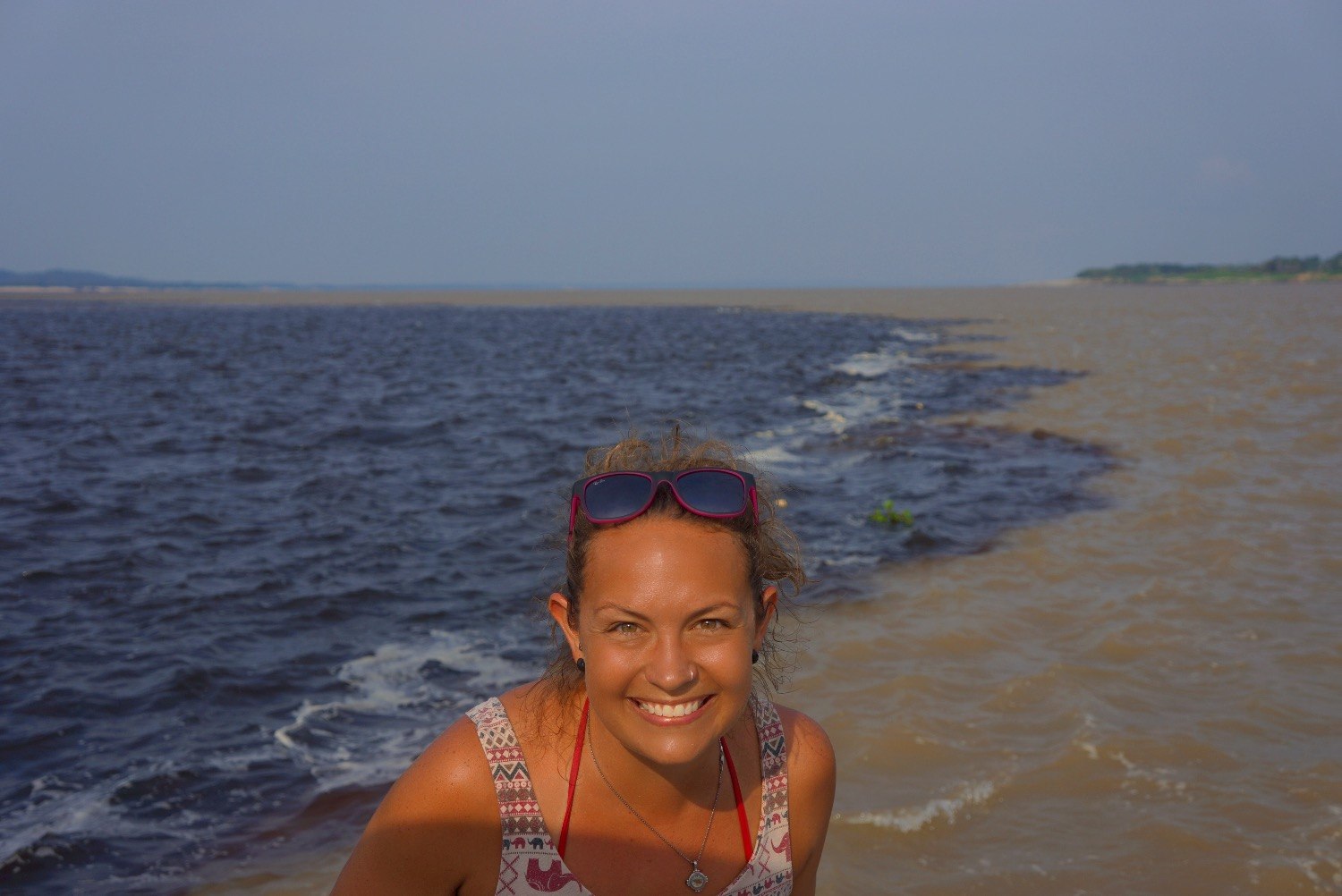
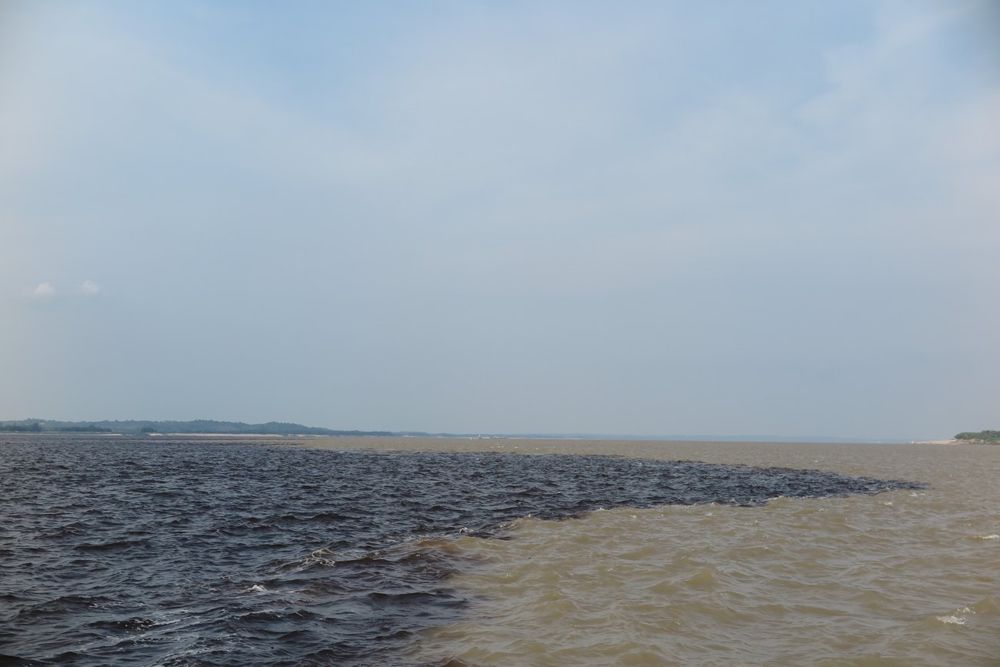
At the meeting of differently colored waters in the Amazon Basin.
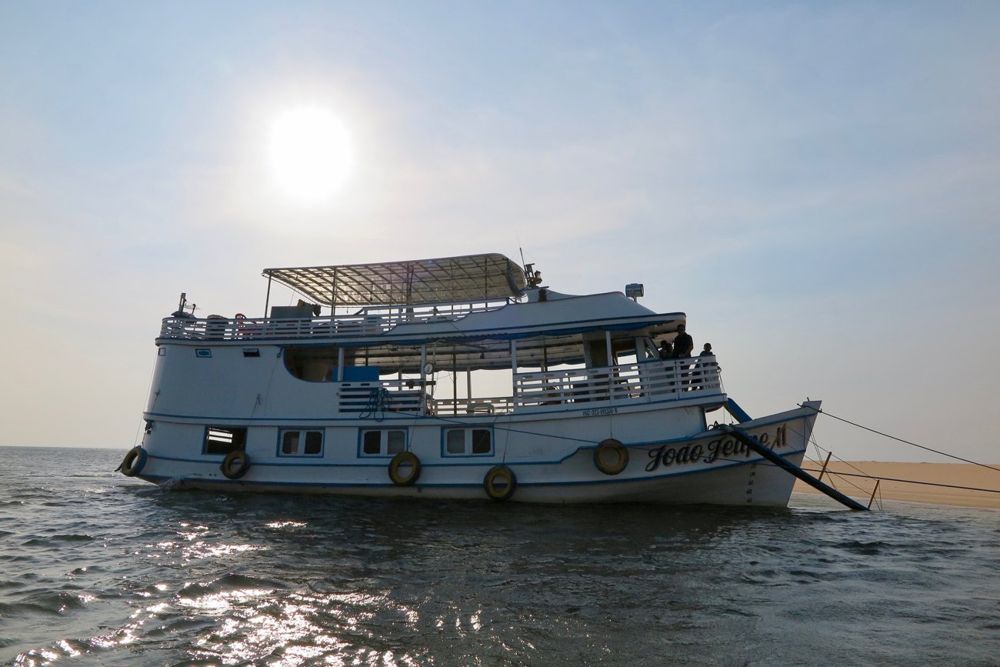
Research vessel on the river
Water samples aboard the vessel
A boat passing the riverbank
Two waters meeting
Two waters meeting
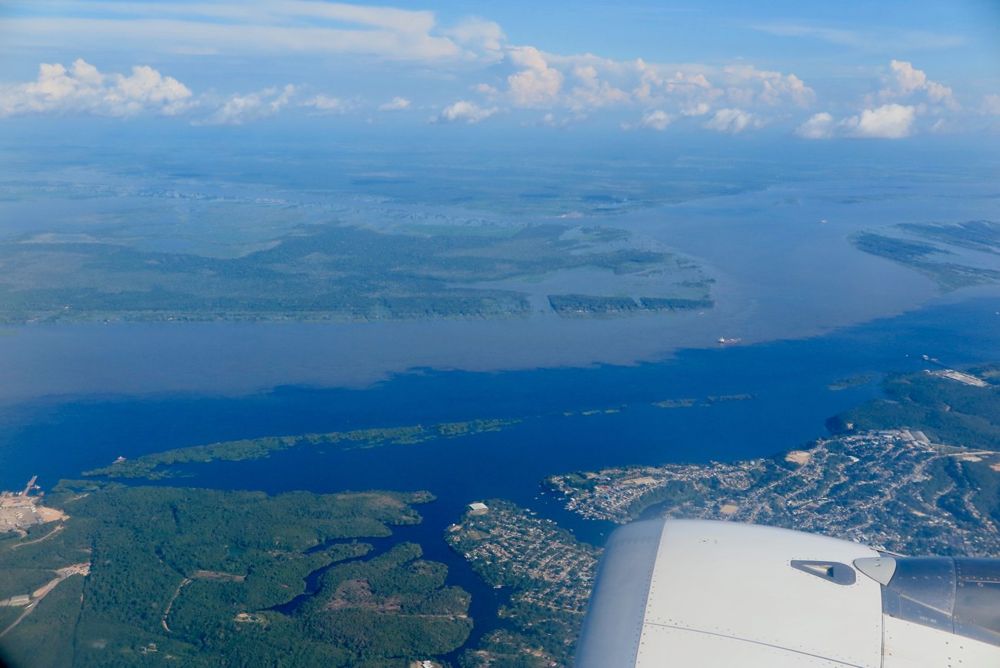
The Amazon Basin from the air
River channels flanking a forested bank
Sediment-rich water at a confluence

Tobago · Coral Cay Conservation

Trinidad and Tobago

Mapping Tobago’s reefs

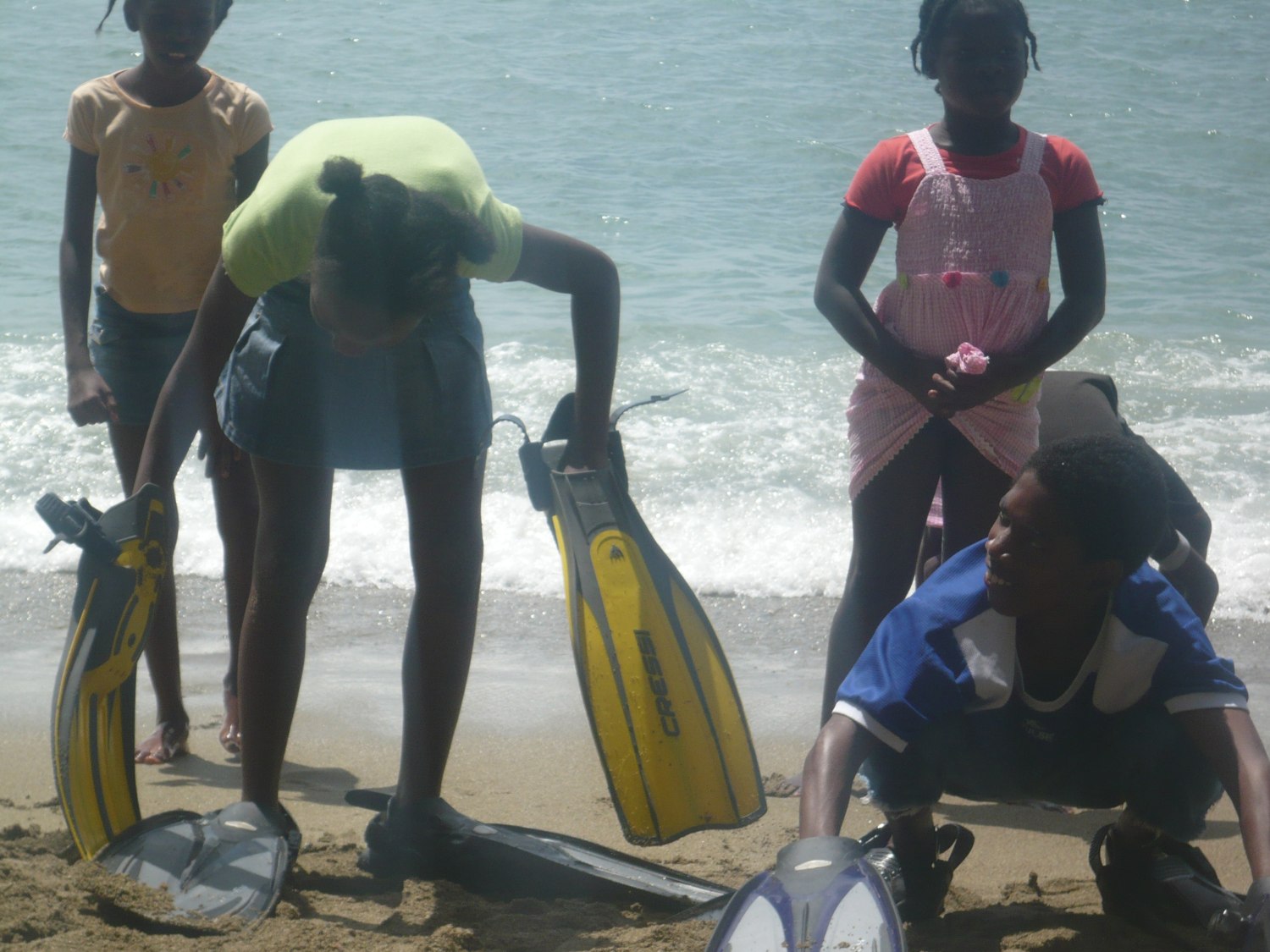
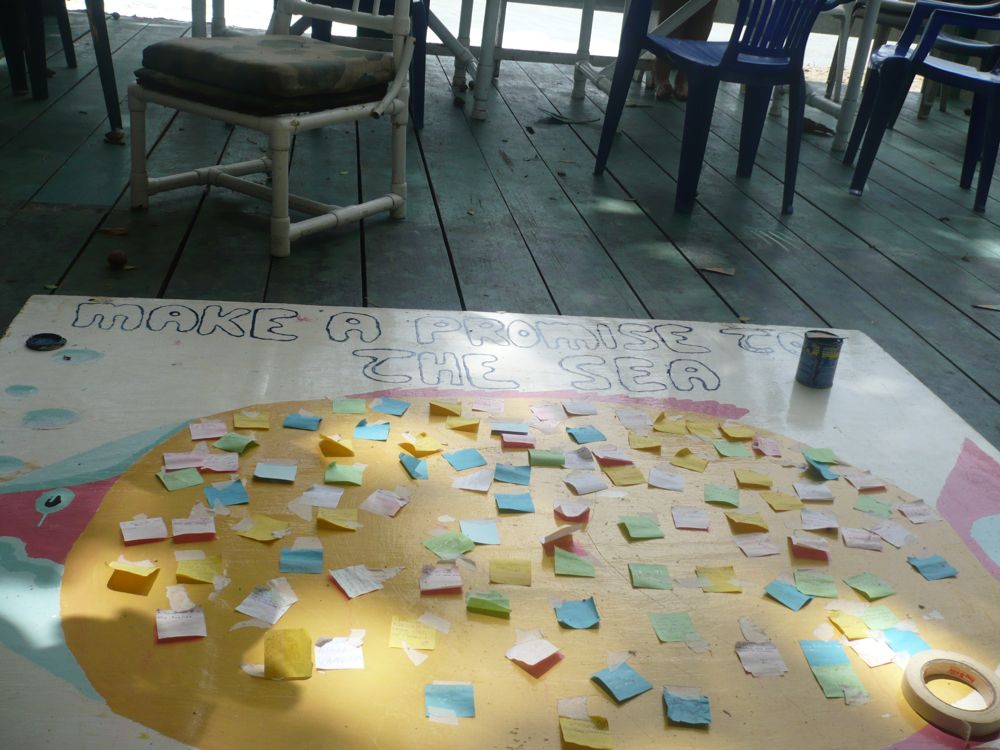
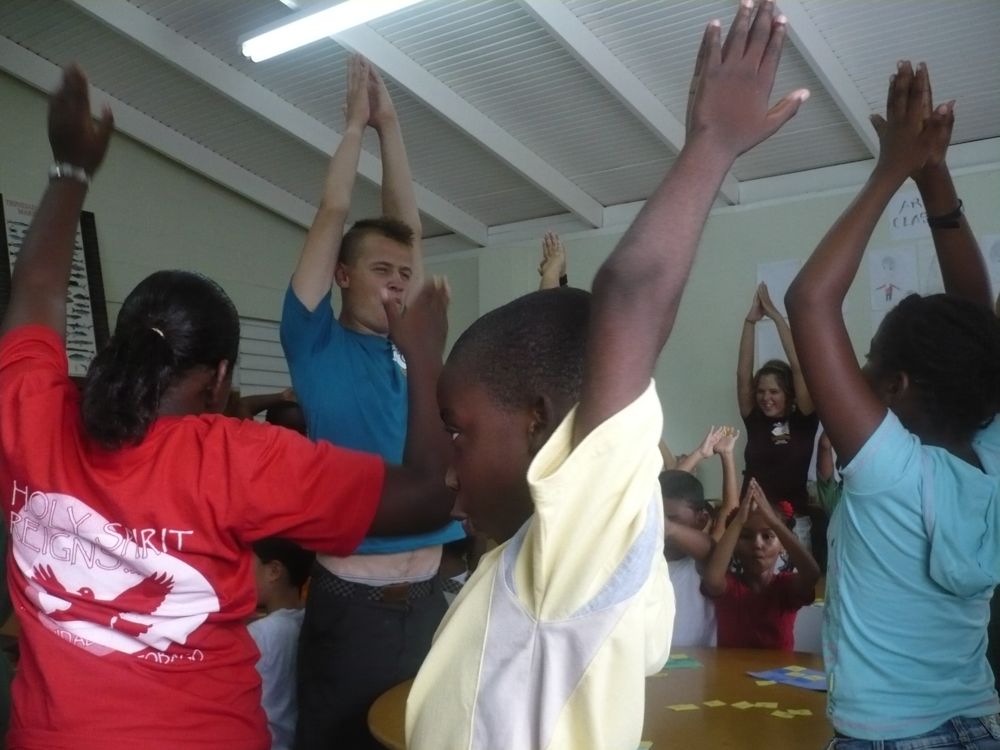
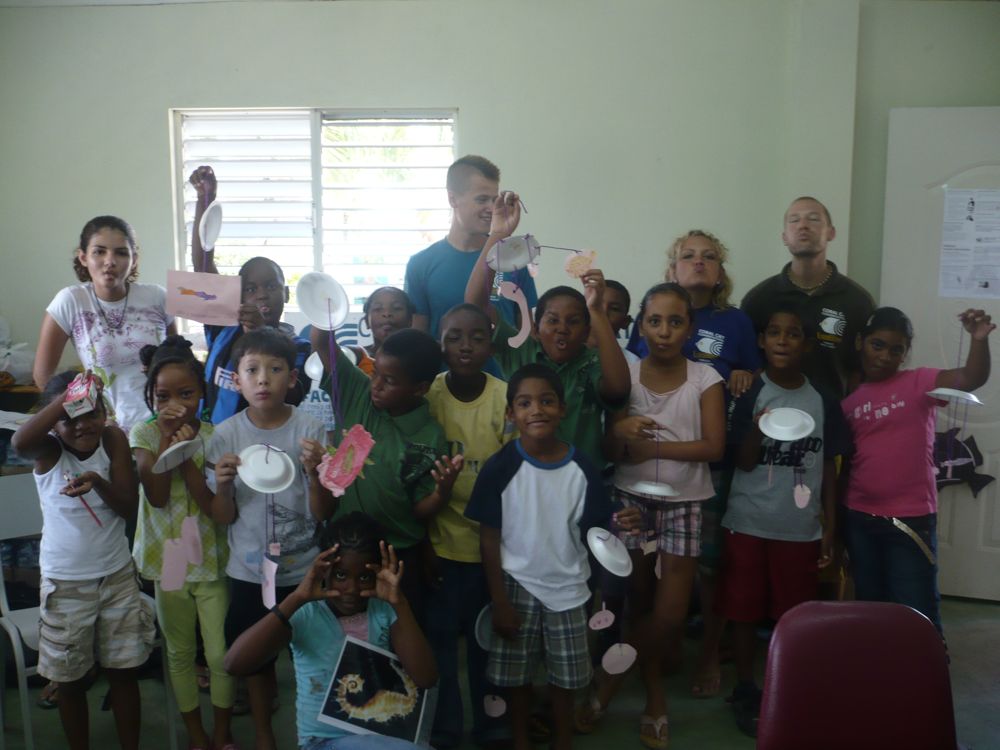
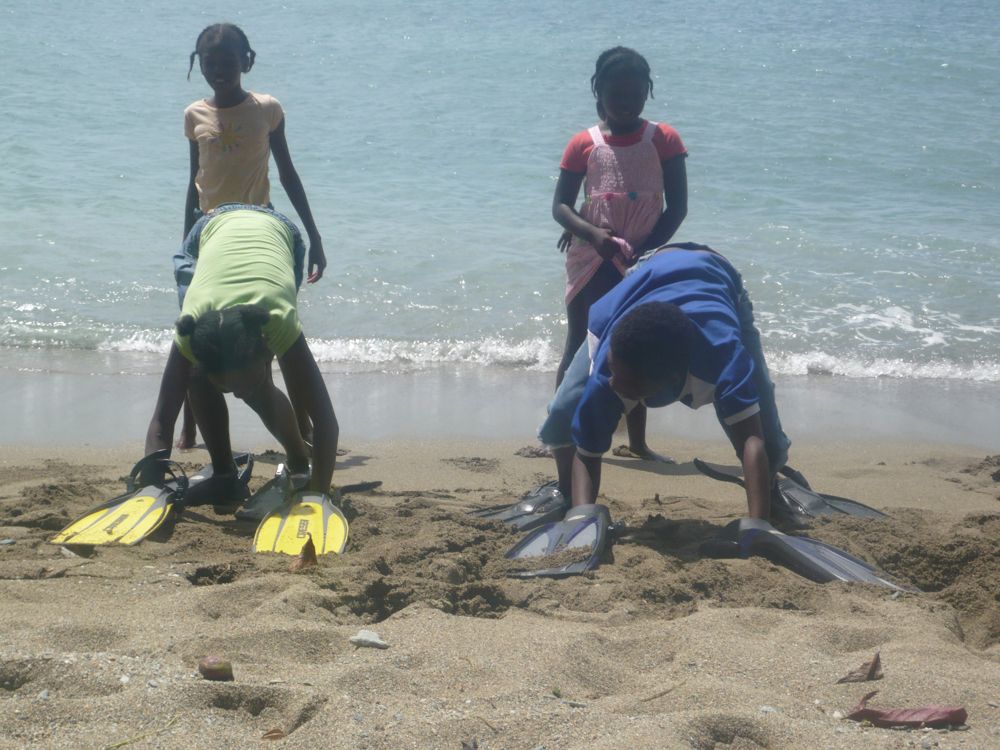
In Tobago, I led dive teams surveying marine habitats and helped present our coastal mapping work to the Tobago House of Assembly. I founded a summer school where local children could study reef ecology, learn to swim and dive, and take part in surveys along their own coast.

Shore-based activities during the Tobago marine science program.
Materials for a marine science activity
The summer school classroom
Marine science summer school group
Field activities along the coast

Southwest Indian Ridge · Expedition in development

Longqi

How does vent chemistry shape the habitats animals and microbes occupy?

At Longqi, I am interested in what happens where vent fluids mix with seawater. Temperature and chemical gradients can change together there. Pairing observations of the animals with measurements of their immediate surroundings could help distinguish the effects of temperature from the availability of metals and chemical energy.

Indonesia · 2026

Alor, aboard OceanXplorer

As Program Manager at OceanX and Chief Scientist of OceanXplorer, I work with Indonesian researchers studying a region where strong currents connect deep water with shallow reefs. A CTD cast and a submersible dive offer different views of that connection. One resolves the structure of the water column, the other places observations of organisms in their seafloor habitat.

Our onboard program brings together physical oceanography, microbial ecology, biodiversity and geology.

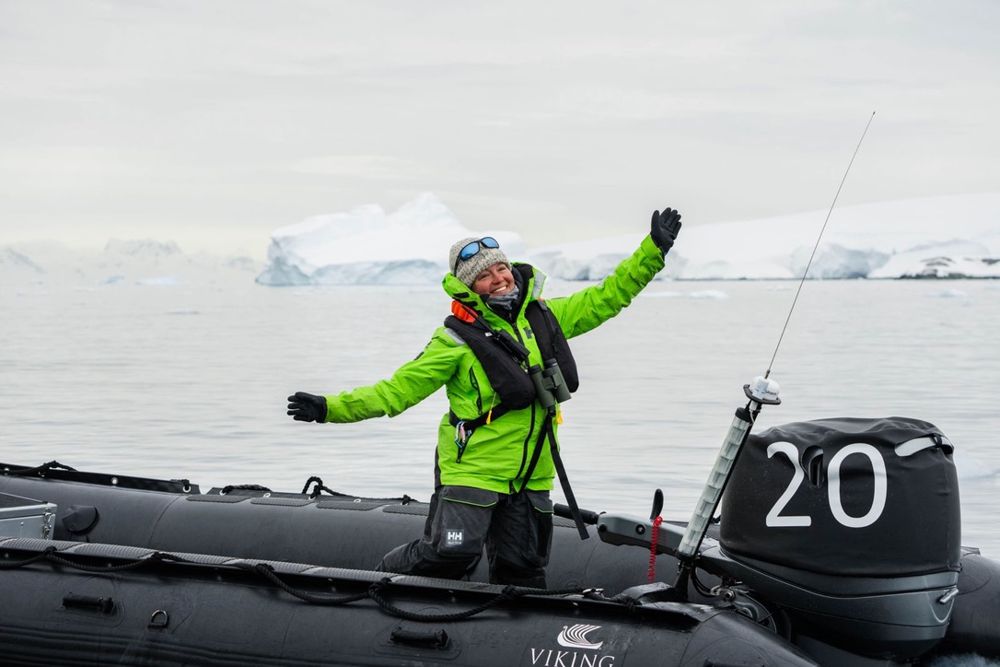
Expedition team working on the water near ice
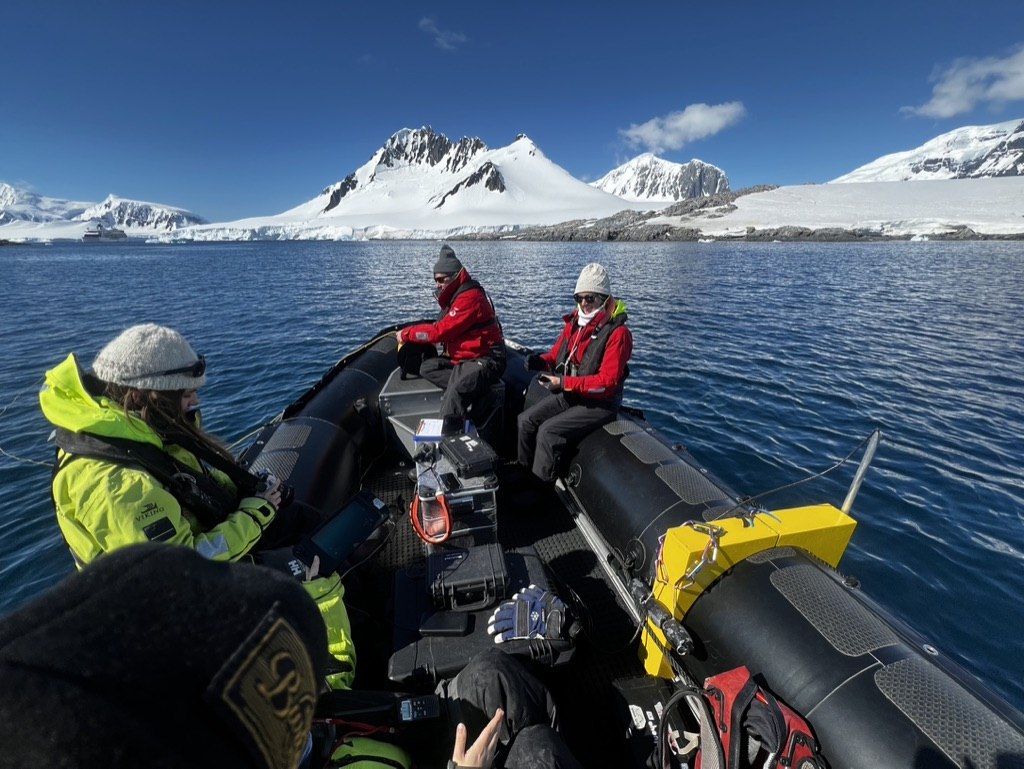
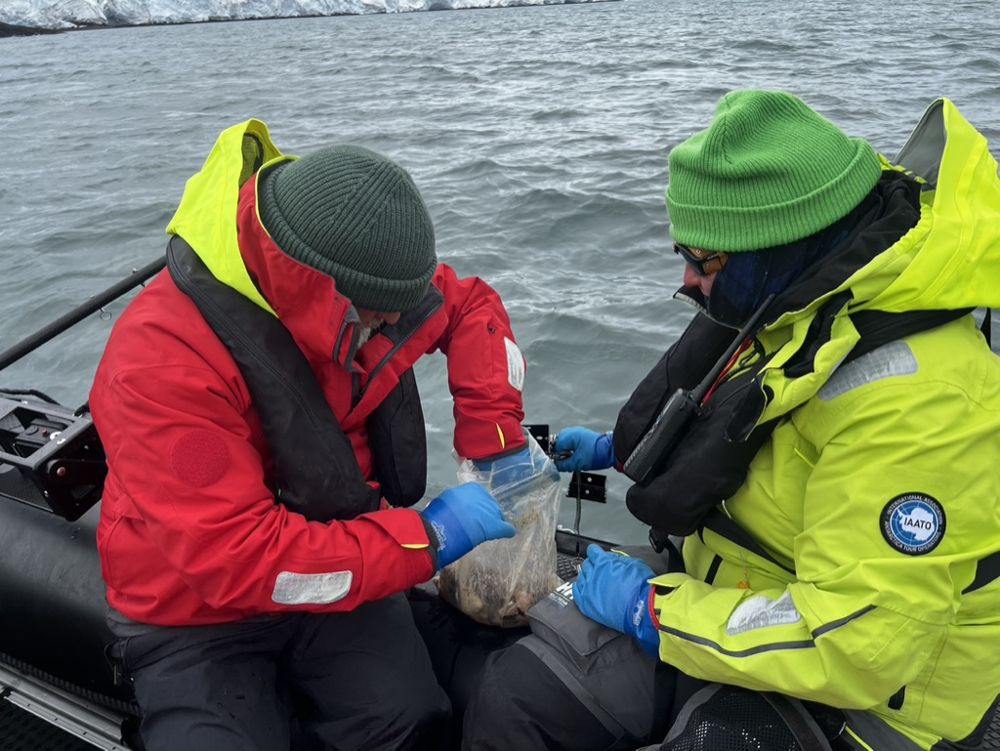
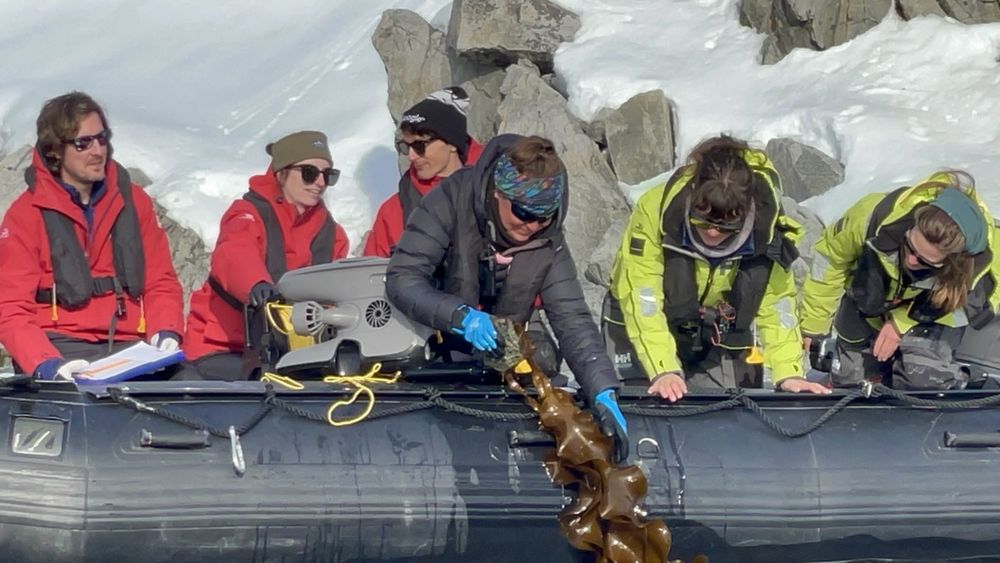
Field operations from a Zodiac.

POLAR & SHIPBOARD SCIENCE

Antarctica

Former Chief Scientist

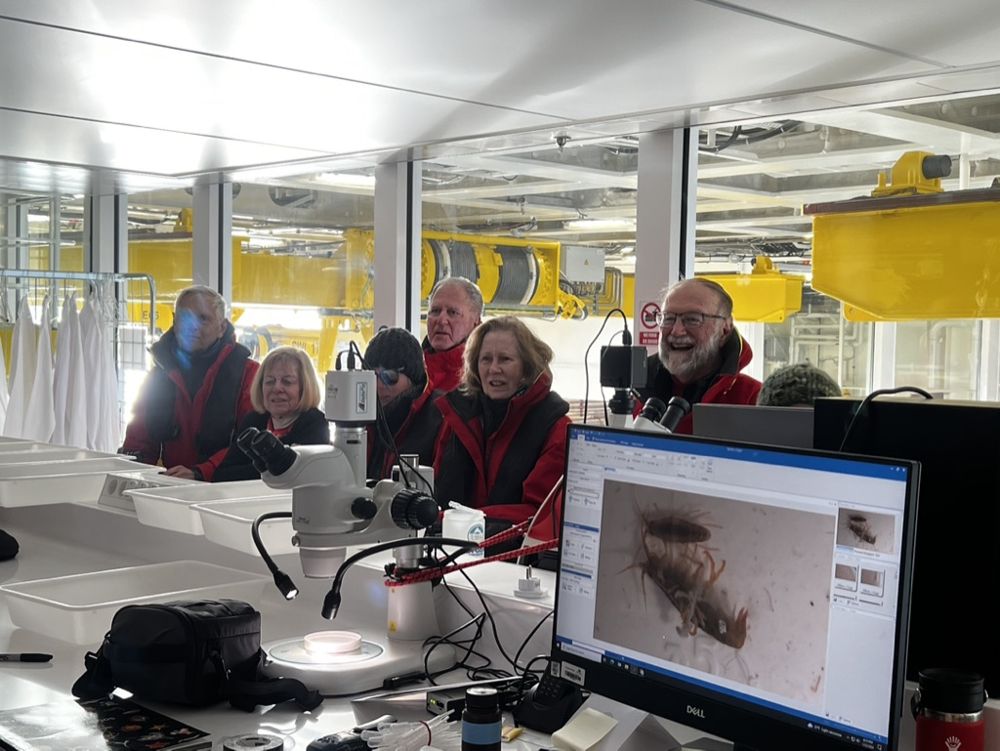
My role began with building the capacity to do science aboard expedition ships. During construction, I helped develop and establish the laboratories and scientific equipment on two vessels. I then worked with collaborating institutions to turn research requirements into shipboard sampling and monitoring programs.

Programs I helped develop

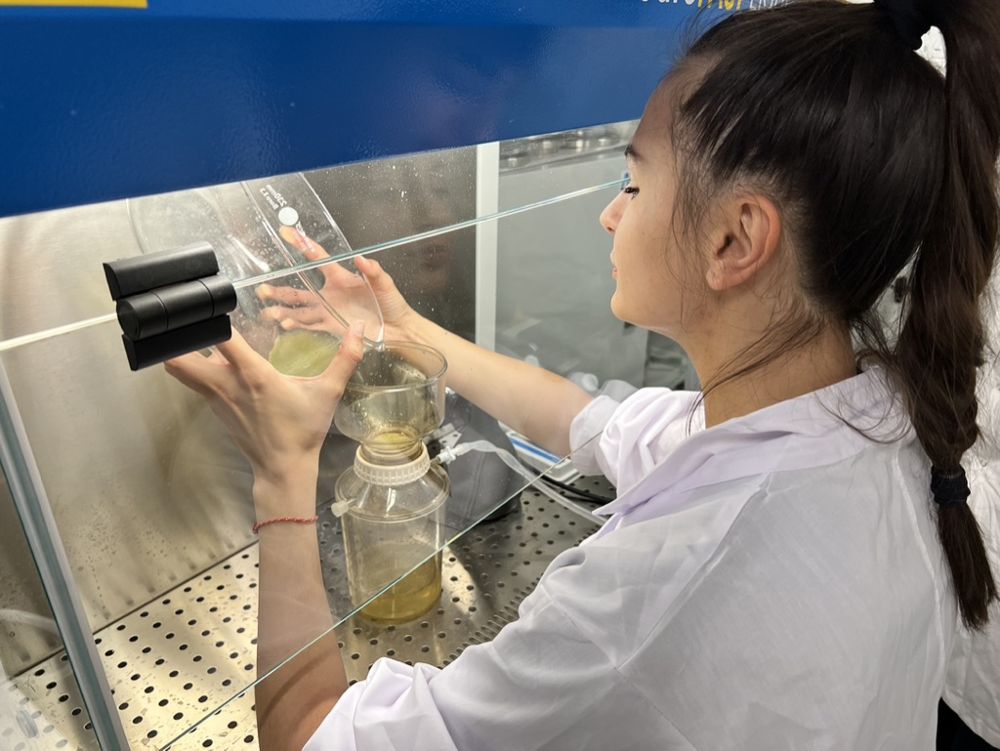
With partners, I developed and implemented microplastics sampling and analysis, automated water-quality monitoring, and continuous ozone monitoring. These programs required more than installing instruments: collection procedures, contamination control, maintenance, and data requirements had to work under shipboard conditions.

Operating in the field

My responsibilities included scientific operations using remotely operated vehicles, weather balloons, seabed corers, underwater video systems, and other sampling equipment. I coordinated science with the bridge and engineering teams, managed collection and offloading permits, and maintained laboratories and instruments while working in remote environments.

Planning a cast begins well before the instrument goes over the side. For trace metals in particular, the way we collect, filter, and store a water sample determines which questions we can answer when it reaches the lab.

Public participation was part of that work. Lectures, workshops, and shipboard research gave guests opportunities to ask questions and participate in the scientific process.

Read my interview about shipboard science
Sampling from a Zodiac
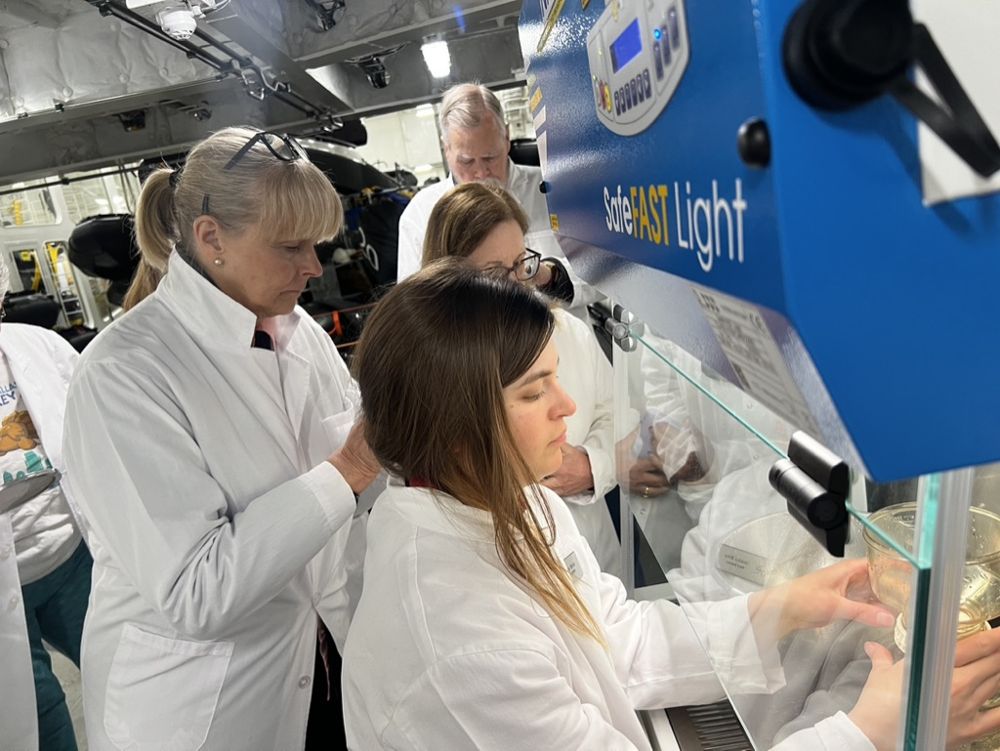
Work at the laboratory bench
A Zodiac on the ice-lined coast
Fieldwork on a rocky shore
Inside the shipboard laboratory
Preparing samples in the lab
The field team on the water
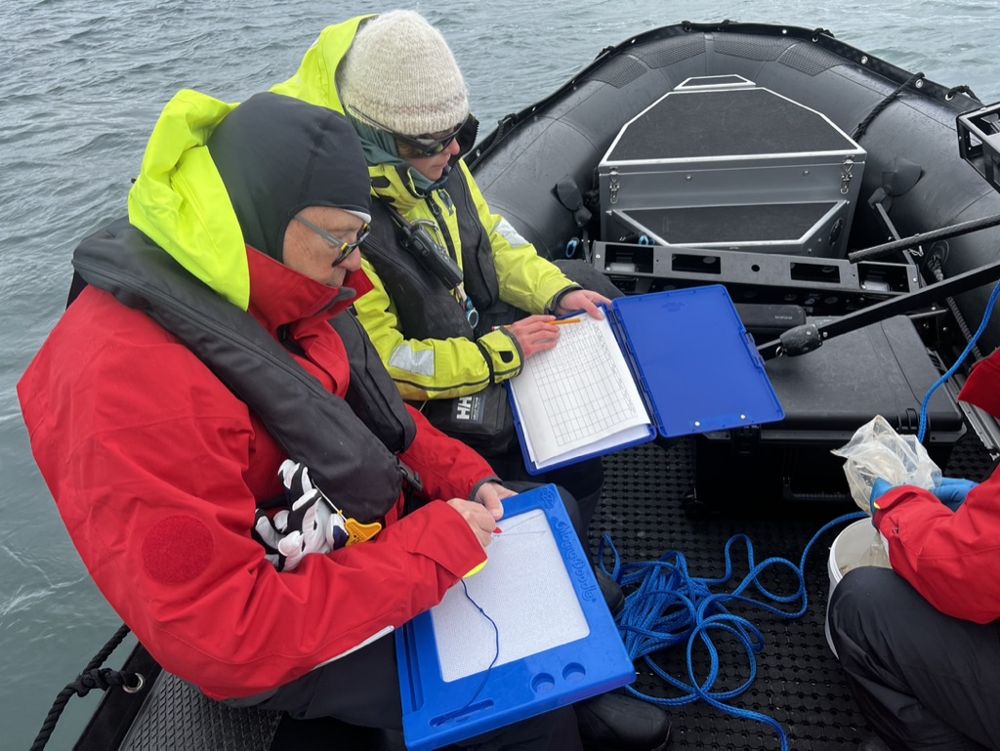
Recording observations aboard a Zodiac

Antarctica · Expedition concept in development

Across the Ross Sea continental shelf

How much ocean heat makes it across the shelf to the Ross Ice Shelf, and what habitats form along the way?

As a collaborator on a concept led by Peter Washam with co-investigator Susheel Adusumilli, I’m interested in what happens to Circumpolar Deep Water as it moves toward the ice. The proposed transect, from the continental slope toward Hayes Bank, would pair hydrographic measurements with geochemical sampling to trace how water masses mix across the shelf front.

Targeted under-ice observations would extend that physical picture into habitats that a ship cannot reach. Comparing species distributions with water properties could show where communities change across a front and help us decide which mechanisms deserve closer investigation.